MPC XL vs MPC X, and MPC 3.7’s biggest new feature
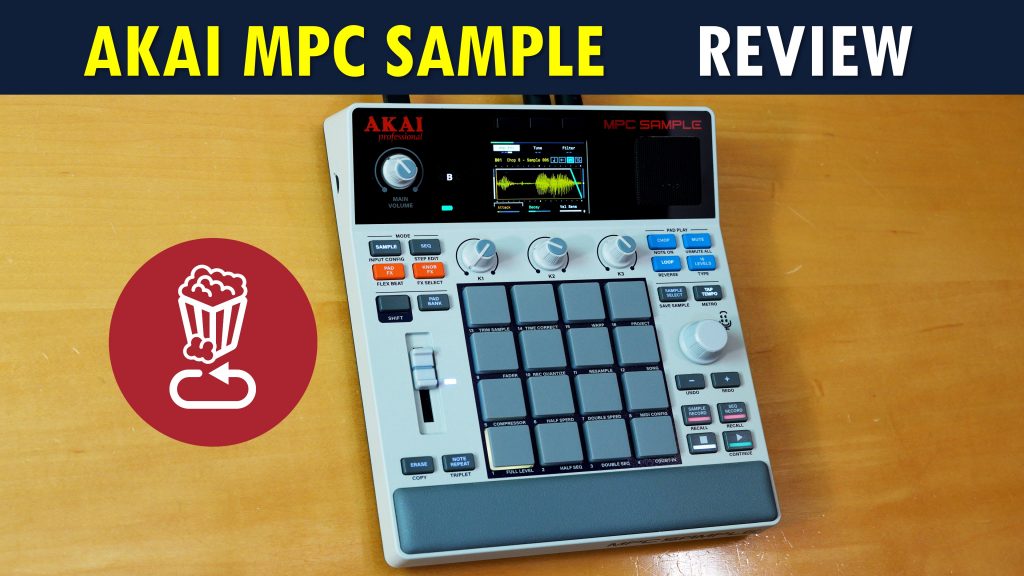
MPC XL is here, and you can see where the XL comes from. It’s the next-generation large-format MPC, replacing the previous-generation MPC X and X SE, and it’s even bigger. […]
Leviasynth from ASM is their next generation polysynth – its interface and effects resemble Hydrasynth in many ways, but the oscillator structure and workflow is totally different and new, it’s
Kaoss Pad V – or KPV – is an interesting evolution of Korg’s XY pad product line – not just because they improved and added effects, sampling, and looper features,
Unless you’re mixing your music in an open field, mixing with headphones, or have thick absorbers in your studio, there’s a good chance that there’s a ridiculous difference in levels
Protein is a new portable desktop wavetable synth from Waldorf – inspired by their classic gritty 8-bit Microwave 1. It’s designed with affordability, portability, and hands-on controls in mind. It
Astrolab 37 is the much more compact version of the full size Astrolab stage performance instrument – it’s got the same brains and sounds, slightly fewer hands on controls, is
SteamPipe from Erica synths and 112db is unlike most synths. Rather than having a linear signal path with simple or complex oscillators and filters, Steampipe pairs an exciter with a
P-6 from Roland is the latest in their relatively low-cost compact series of synths and drum machines, and this time the focus is on sampling, sample playback, and granular synthesis.
Moog doesn’t often make analog polyphonic synths, and when they did, they weren’t cheap. Muse is an 8-voice, bi-timbral polyphonic synth from Moog, which, relatively speaking, is priced competitively. It
MPC Key 37 is the latest hardware version of Akai’s MPC platform – which there are now quite a few of. In this video, I take a look at what